Where gypsum is used
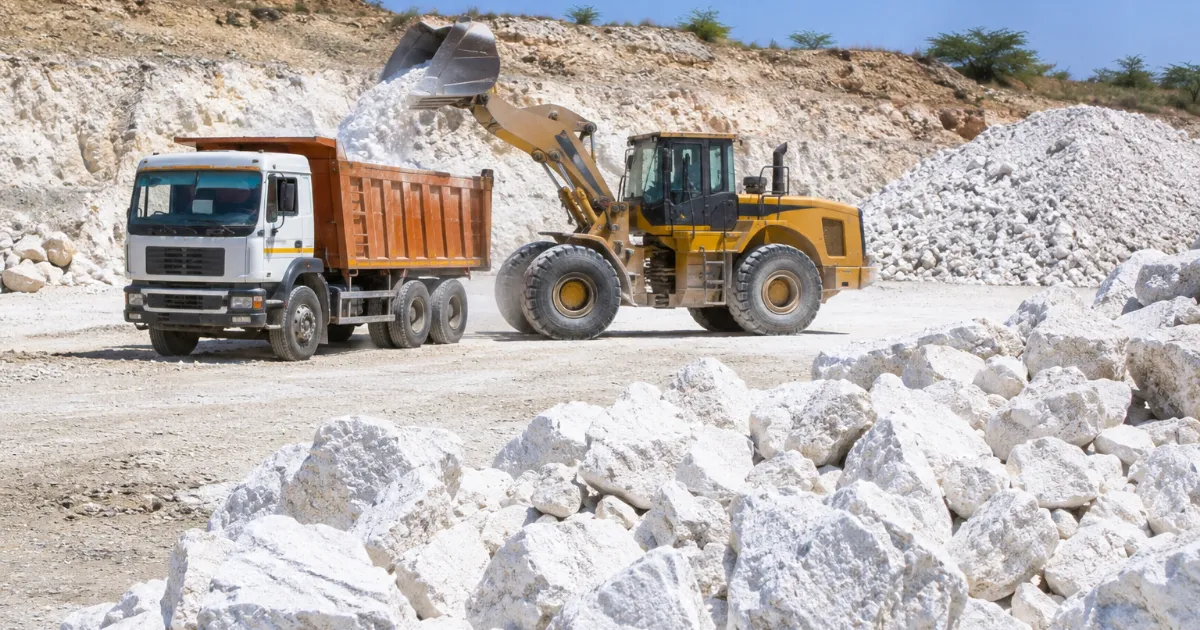
Gypsum is a soft mineral made of calcium sulphate with water. It is a key raw material for cement, plaster and building boards, and an important soil amendment in agriculture. Rajasthan has some of India's largest mineral gypsum deposits, which makes it an important sourcing region for industries across the country.
- Cement: added during grinding to control setting time.
- Plaster of Paris and gypsum plaster for construction and moulds.
- Gypsum boards and building products.
- Agriculture: to reclaim sodic soils and supply calcium and sulphur.
- Fillers and other industrial applications.
Gypsum for farmers
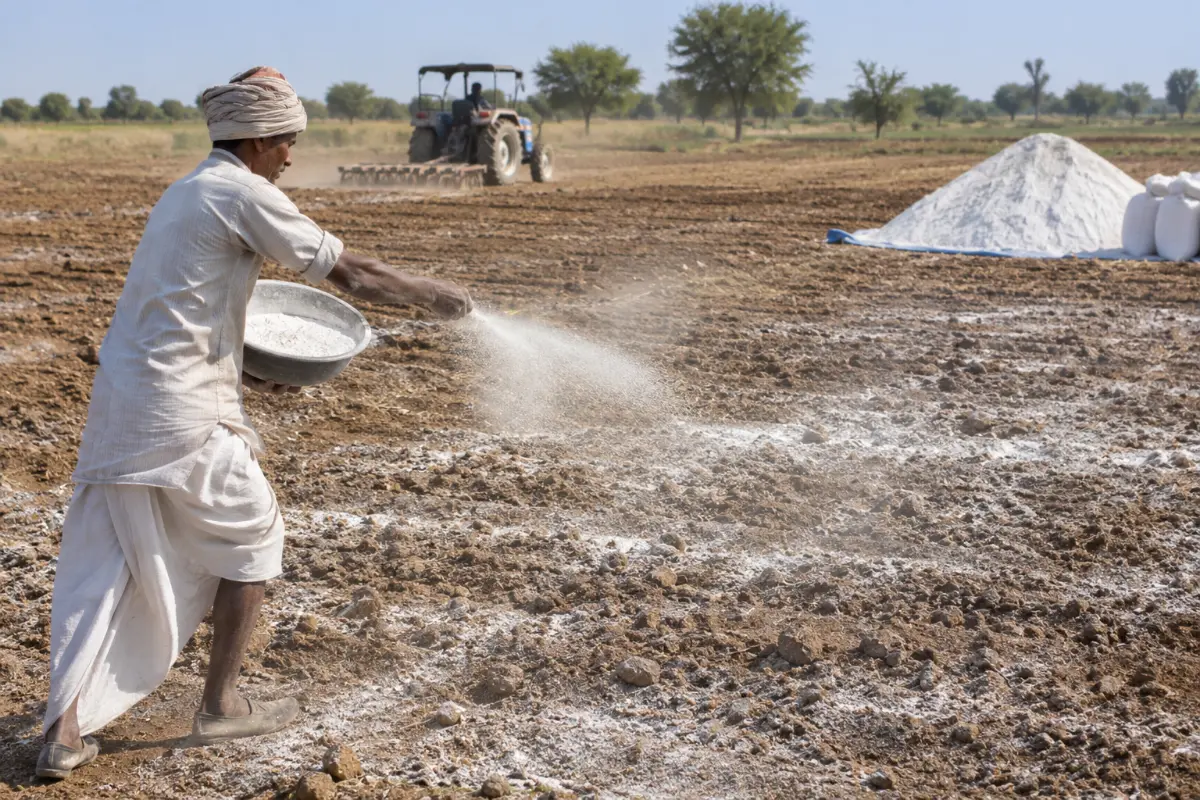
In sodic (alkaline) soils, gypsum helps replace excess sodium, improving soil structure and water infiltration. It also supplies calcium and sulphur, which benefit crops such as oilseeds and pulses. Application rates should be based on soil test results; ATTPL Agritech explains soil testing in its soil health card guide.
Quality parameters
Buyers usually check gypsum purity (calcium sulphate content), free moisture, particle size and impurities such as clay, silica and chlorides. Cement makers focus on purity and consistency; agricultural buyers look for purity and fineness. Ask for a certificate of analysis and verify with independent testing.
Mineral and by-product gypsum
Besides mined mineral gypsum, by-product gypsum from industrial processes such as phosphoric acid production and flue gas desulphurisation is also available. Its quality and impurity profile differ, so buyers should check suitability and any regulatory requirements for their application.
Sourcing and handling
- Verify the supplier's lease, permits and GST registration.
- Agree specification, sampling method and tolerances in the contract.
- Protect gypsum from rain during storage and transport to control moisture.
- Plan bulk transport carefully to reduce cost per tonne.
Our supplier verification checklist covers the due diligence steps, and related minerals are explained in our limestone and dolomite guide.
Gypsum in construction
Gypsum plaster has become popular for interior walls because it gives a smooth finish, sets quickly and reduces the need for separate putty. Gypsum boards are widely used for false ceilings and partitions in offices and homes. These products depend on consistent raw gypsum quality and correct processing. Builders should follow manufacturer guidance on surface preparation, thickness and curing, and avoid using gypsum products in areas exposed to continuous moisture unless they are designed for it.
Planning bulk purchases
Gypsum is a low-value, high-volume material, so transport often makes up a large share of the delivered cost. Buyers should compare landed costs from different sources, plan regular deliveries to avoid storage problems and agree weighbridge and moisture adjustment rules in advance. Long-term supply agreements with clear quality specifications can provide price stability and reliable supply for cement plants and other large users.
- Agree how moisture above the limit will be adjusted in price.
- Sample each lot at receipt and keep retention samples.
- Review supplier performance every quarter.
Environmental and safety points
Gypsum dust can irritate the eyes and respiratory tract, so workers handling large quantities should use dust masks and goggles. Keep storage yards tidy and covered to limit dust and losses. Agricultural gypsum should be applied as per soil test recommendations and local advice, rather than in excessive quantities, to avoid unnecessary cost and imbalance in soil nutrients.
Getting support
ATTPL Mining helps buyers understand mineral grades, documentation and sourcing from Rajasthan. For gypsum specifications or sourcing questions, contact ATTPL Mining. Bulk transport is covered by ATTPL Fleet, and building material use in construction projects by ATTPL Infra.
Frequently asked questions
Why is gypsum added to cement?
To control the setting time of cement during use.
How does gypsum help soil?
In sodic soils it replaces excess sodium, improving soil structure and water movement, and it supplies calcium and sulphur.
What should buyers check in gypsum?
Purity, moisture, particle size and impurities, supported by a certificate of analysis and independent testing.
Can gypsum plaster be used outdoors?
Standard gypsum plaster is meant for interior use; exterior surfaces usually need cement-based plaster or specially designed products.
Is gypsum safe to handle?
It is generally considered low hazard, but dust should be controlled and workers should use basic protective equipment.