Why verification matters
See also: Marble Chips and Pebbles for Landscaping: Sizes, Colours and Uses
Poorly documented minerals or stone can lead to quality problems, supply disruptions and legal risk for the buyer. A simple checklist before the first order avoids most of these problems.
Registrations and documents
- GST registration and PAN of the supplier
- Mining lease, quarry licence or authorised dealer/trader registration, as applicable
- Valid transit documents for each consignment (e-Rawanna in Rajasthan)
- Bank details matching the business name
Site visit
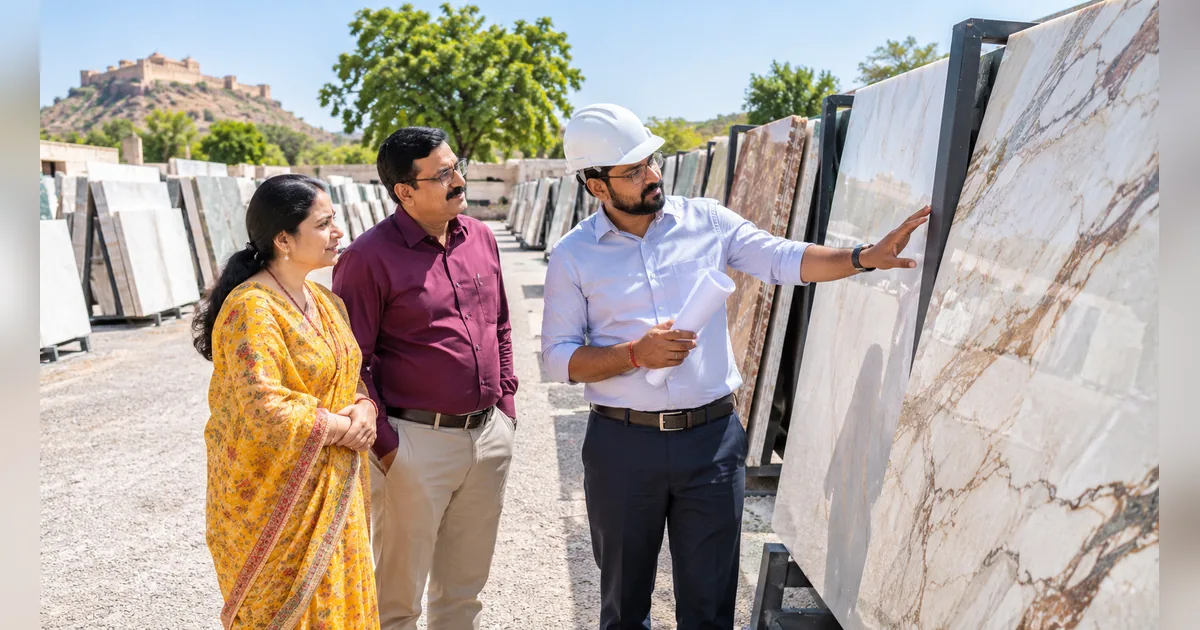
Visit the mine, processing unit or stock yard if possible. See the material, the processing equipment, storage conditions and how orders are loaded.
Samples and testing
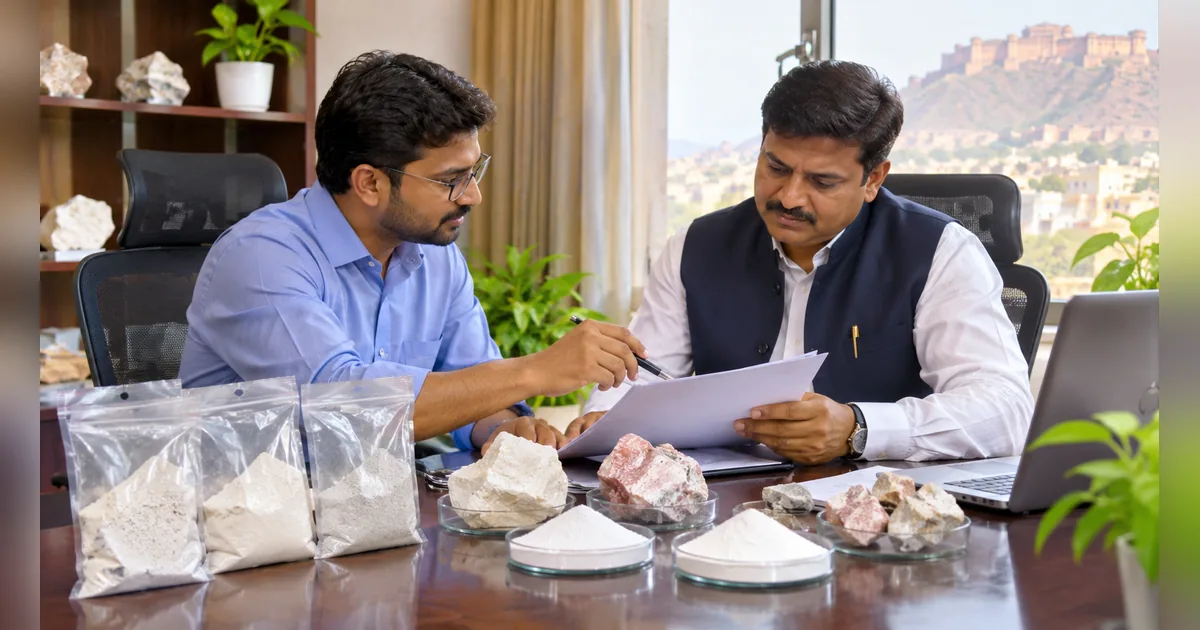
Take samples from the actual stock, get them tested in an independent laboratory and compare the results with the supplier's certificate. Keep reference samples for future comparison.
References and track record
Ask for two or three existing customers you can speak to. Check how long the supplier has been operating and how they handle complaints.
Contract terms
- Specification and tolerance limits
- Delivery schedule and penalties for delay
- Rejection and replacement process
- Payment terms linked to delivery and quality
Work with ATTPL Mining
Explore our services or contact us. For legal review of supply contracts, see ATTPL Legal, and for transport, ATTPL Fleet.
Frequently asked questions
What documents should a mineral supplier provide?
GST registration, mining lease or trader registration as applicable, and transit documents such as e-Rawanna with each consignment.
Is a site visit necessary?
It is strongly recommended for a new supplier, especially for large or long-term orders.
How do I protect quality over time?
Agree on specifications in the contract, test lots regularly and keep reference samples.