Why buyers should care
See also: Mineral Transit Passes and Royalty in Rajasthan: What Buyers Must Check
Companies that buy minerals and stone — cement plants, ceramic and glass makers, builders and exporters — are increasingly asked where their materials come from. Material from illegal mining can be seized, delay projects and damage reputations. Large customers and lenders also look at environmental and social practices in the supply chain. Responsible sourcing protects your business and supports a mining sector that is safe and sustainable.
Check that mining is legal
In India, minerals belong to the state, and mining is allowed only under a valid mining lease or quarry licence issued under the Mines and Minerals (Development and Regulation) Act and state rules. In Rajasthan, minor minerals such as many building stones are governed by state rules administered by the Department of Mines and Geology.
- Ask for a copy of the mining lease or quarry licence and confirm the mineral and area covered.
- Check that the lease is valid for the period of supply.
- Verify the supplier's GST registration and business details.
Transit documents for every load
Mineral movement requires valid transit passes or e-rawanna issued through the state system, along with the tax invoice and, where applicable, the e-way bill. Make it a rule that no load is accepted without matching documents. Records of passes, quantities and vehicle numbers help in audits and disputes. Our supplier verification checklist covers the basics.
Red flags in a supply offer
Some warning signs suggest that material may not come from a legal source or that the supplier may not be reliable. A price far below the market, reluctance to share lease or registration details, requests for cash payments without invoices, and loads arriving with mismatched or missing passes are all reasons to pause. Inconsistent quality from one load to the next can also indicate mixing of material from different, sometimes unknown, sources.
- Unusually low prices with no clear explanation.
- No invoice, or invoices from a different entity than the supplier.
- Transit passes that do not match the vehicle, quantity or date.
- Unwillingness to allow a site visit.
When in doubt, verify before you buy. The cost of checking is small compared with the cost of seized material or a stopped project.
Environment, safety and people
- Environmental clearance and consent to operate where required by law.
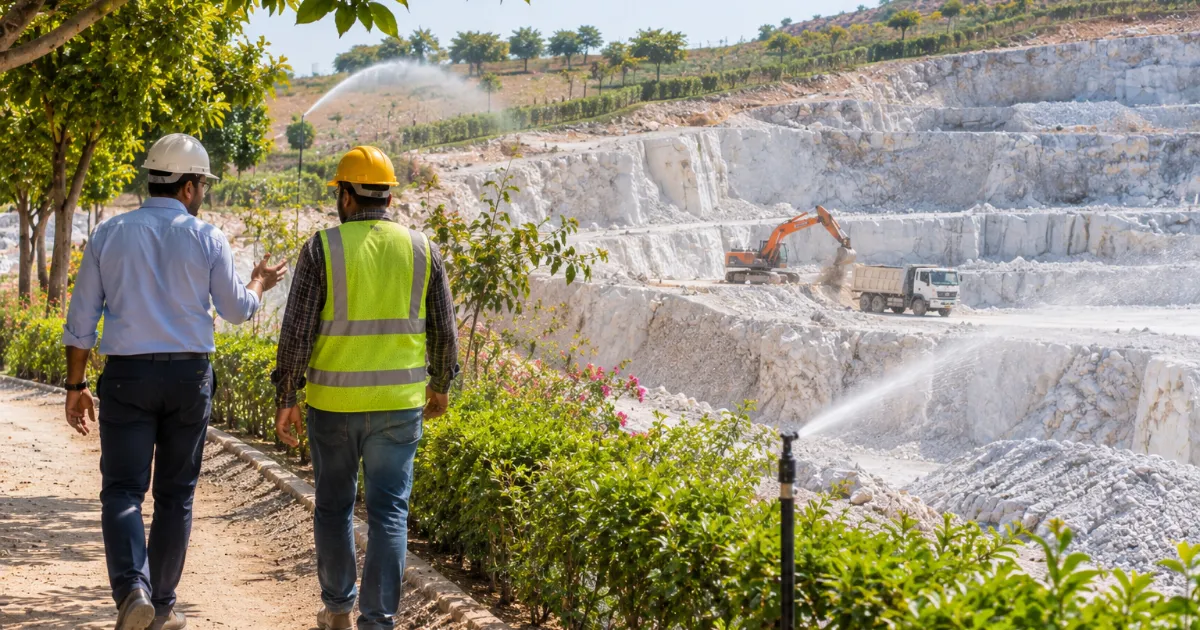
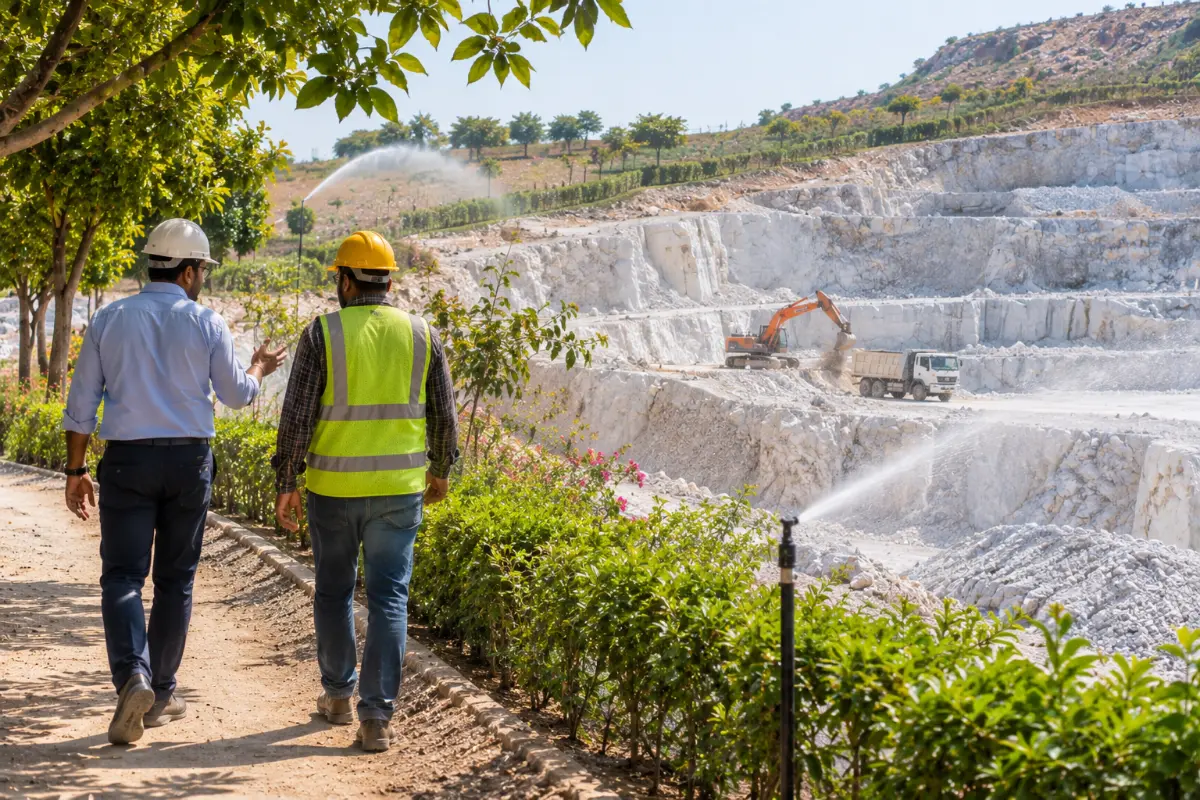
- Dust control, water sprinkling, green belts and safe waste dumps.
- Worker safety: helmets, footwear, safe benches and blasting practices as per mine safety rules.
- No child labour, fair wages and statutory benefits for workers.
- Restoration plans for exhausted pits.
A short site visit tells you more than documents alone. See how the operation is run, talk to the manager and observe safety practices.
Quality and traceability
Responsible sourcing also means knowing exactly what you buy. Request a certificate of analysis for industrial minerals and keep samples from each lot; our certificate of analysis guide explains what to check. Link each delivery to its source, lot and test results so that problems can be traced quickly.
For bulk logistics with proper documentation, ATTPL Fleet compares rail and road options. Contract terms on quality, quantity and compliance can be drafted with ATTPL Legal, and companies preparing ESG reports for customers can read about ESG readiness for SME suppliers on ATTPL HOLDCO.
Build it into your purchase process
- Add compliance documents to your supplier onboarding checklist.
- Include compliance and audit rights in purchase contracts.
- Review supplier documents every year and before large orders.
- Train purchase and stores staff to check transit documents at the gate.
Responsible sourcing does not need to be complicated. Clear rules, consistent checks and good supplier relationships are enough to keep most risks away. For compliant sourcing of minerals and stone from Rajasthan, contact ATTPL Mining.
Frequently asked questions
How can I check whether a stone supplier is legal?
Ask for the mining lease or quarry licence, verify GST registration and ensure every load comes with valid transit passes and invoices.
What is a transit pass for minerals?
A document issued through the state mines department system that authorises the movement of a specific quantity of mineral from a lease.
Why does responsible sourcing matter for small buyers?
Illegal material can be seized and can delay projects, and large customers increasingly ask suppliers about their sourcing practices.
Sources and further reading
General information only, not legal advice. Requirements vary by mineral and state; confirm with the relevant authorities.