What mica is
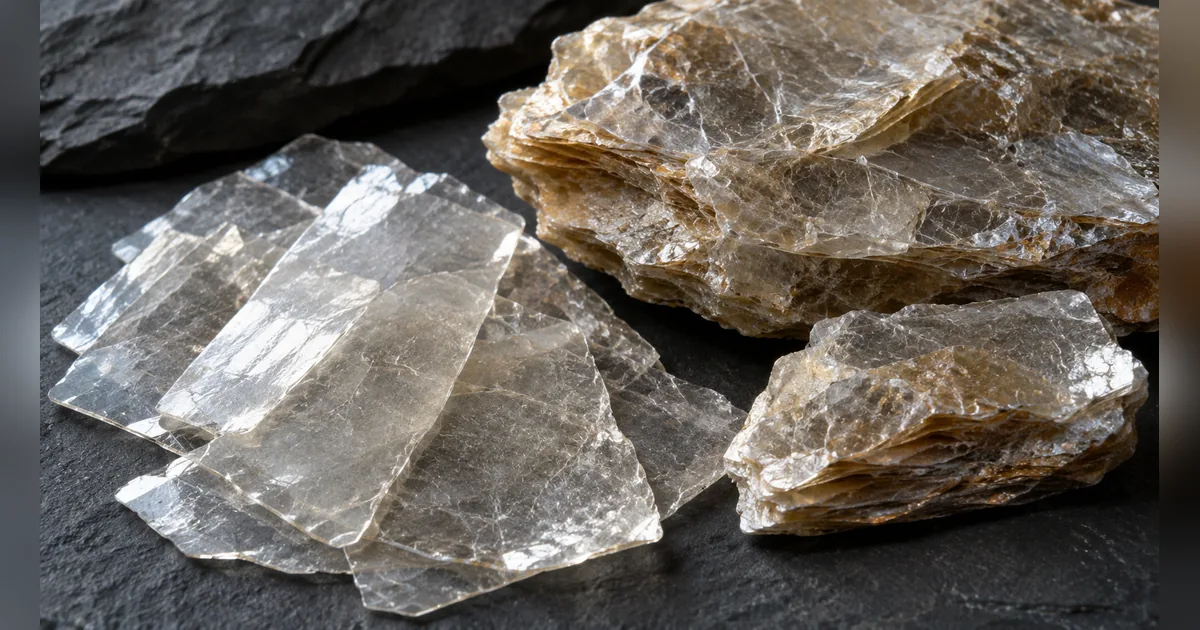
Mica is a group of minerals that split into thin, flexible sheets. Its heat resistance, electrical insulation and pearly lustre make it useful in many industries.
Mica minerals form in layers that can be split into very thin sheets. Muscovite (white mica) and phlogopite are the most common commercial types. India has a long history of mica mining, with deposits in states including Jharkhand, Andhra Pradesh and Rajasthan.
Sheet mica and ground mica
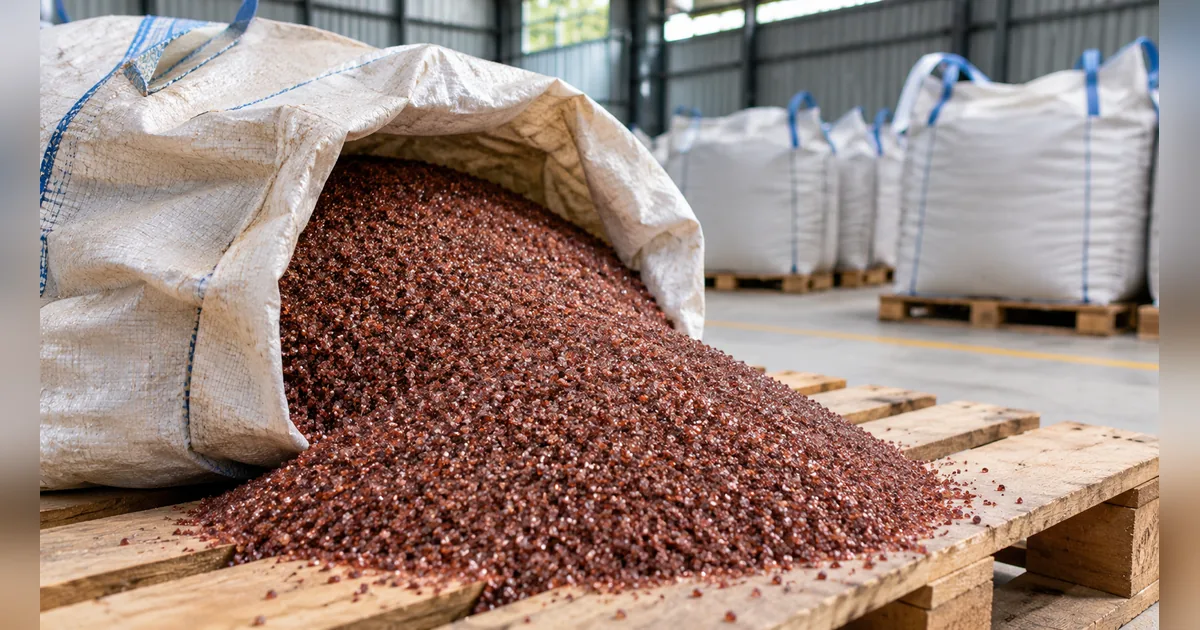
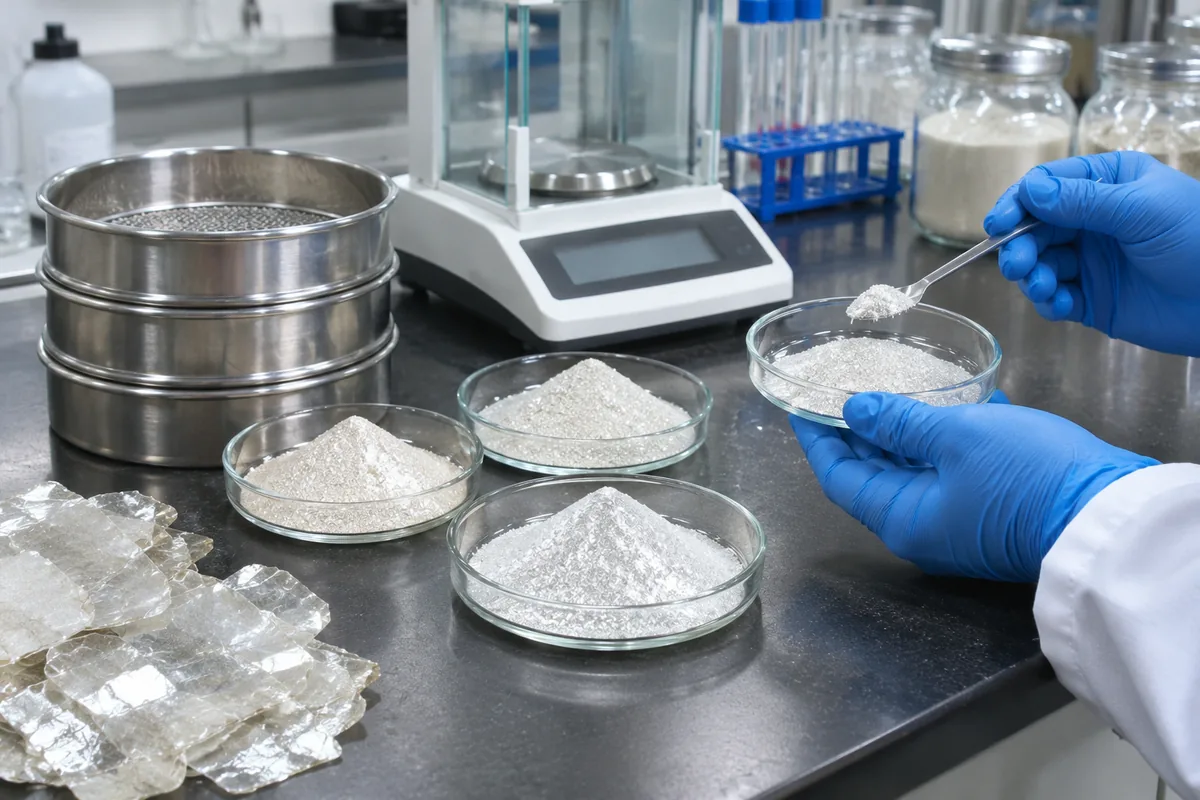
Sheet mica consists of larger, clear pieces used where electrical insulation and heat resistance matter. Ground mica (mica powder) is produced by dry or wet grinding scrap and flake mica; wet-ground mica keeps a better lustre and is used in higher-value applications.
Main industrial uses
- Paints and coatings: improves durability, moisture resistance and reduces cracking
- Plastics and rubber: reinforcement and dimensional stability
- Electrical and electronics: insulation and heat-resistant components
- Construction: joint compounds, plasters and drilling muds
- Cosmetics: pearlescent pigments, using cosmetic-grade processed mica
Specifications to check
- Particle size distribution (mesh size)
- Brightness and colour
- Moisture content and loss on ignition
- Impurities such as quartz, feldspar and iron content
- Aspect ratio for reinforcement applications
Ask for a certificate of analysis for each lot and test samples in your own process before placing large orders.
Responsible sourcing
Mica supply chains have faced concerns about informal mining and child labour in some regions. Buyers should know where their mica comes from, require legal mining documents and supplier declarations, and support audit and traceability programmes. Our responsible mineral sourcing guide explains practical steps.
Sourcing support
ATTPL Mining & Minerals helps industrial buyers source minerals with documentation and sampling. Compliance and supplier due diligence processes can be set up with ATTPL Consultancy, and dispatch planning is available through ATTPL Fleet.
Frequently asked questions
What is the difference between wet-ground and dry-ground mica?
Wet-ground mica usually has better lustre and finer, flatter particles; dry-ground mica is used in construction and drilling applications.
Why is mica used in paints?
Its plate-like particles improve film strength, reduce cracking and improve resistance to moisture.
How can buyers ensure ethical mica?
Ask for legal mining documents, traceability to the source and supplier declarations, and support independent audits.
Sources and further reading
This article is general information for buyers and industry users. Specifications vary by deposit and processor; always test samples and confirm requirements for your application.