What makes Makrana marble different
See also: Marble Staircase Steps and Risers: A Buyer's Guide
See also: Marbles of Southern Rajasthan: Udaipur, Rajsamand and Banswara Varieties Compared
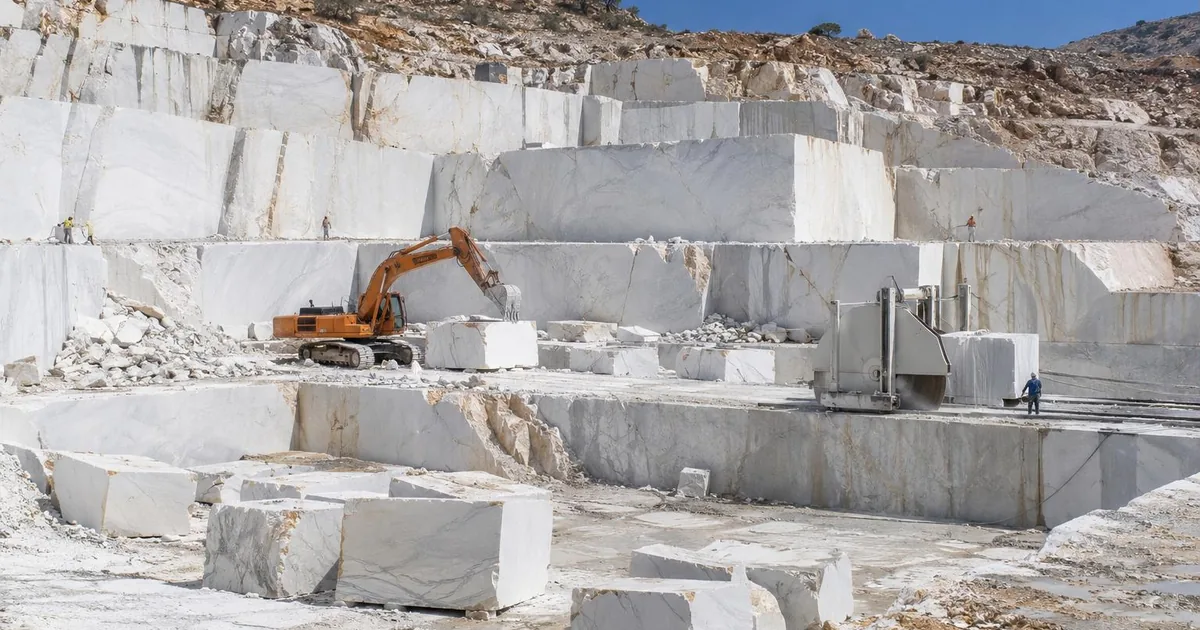
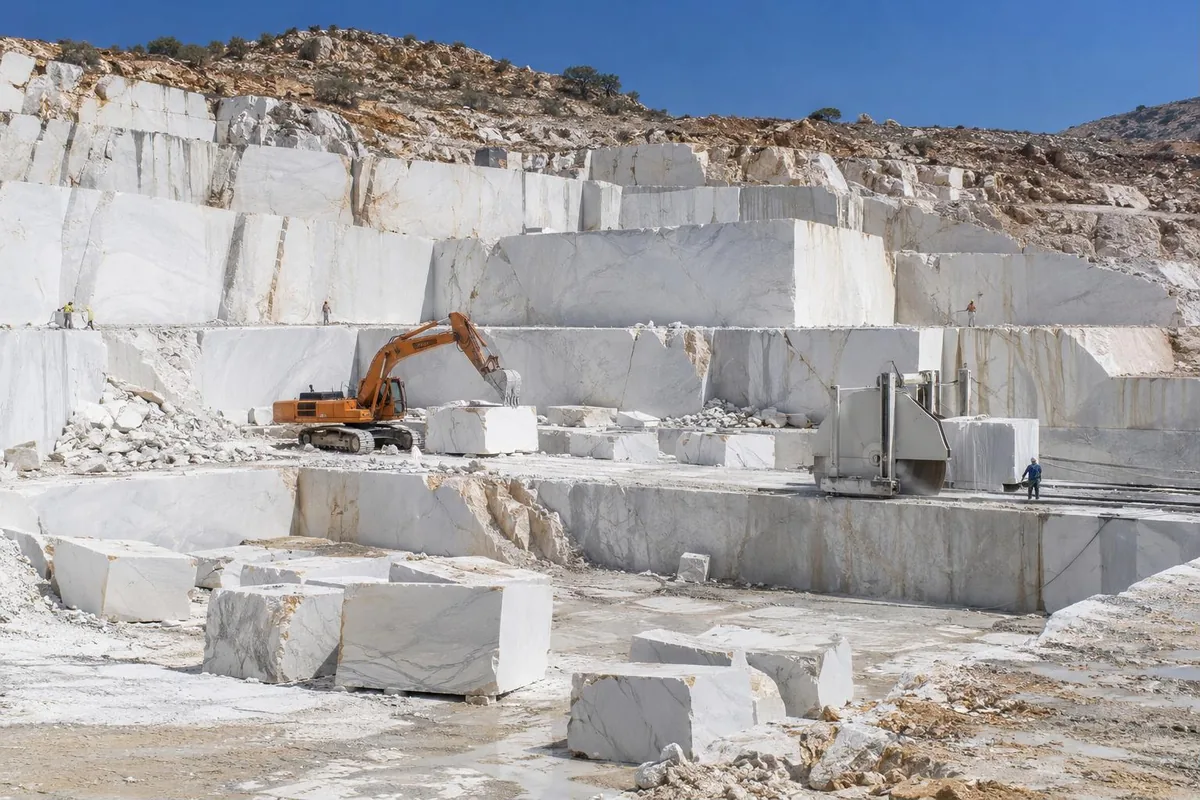
Few natural stones carry the reputation of Makrana marble. Quarried around the town of Makrana in Rajasthan, this white marble has been used in palaces, temples and monuments for centuries, including the Taj Mahal. Today it remains a favourite for homes, temples and premium projects. Because of its fame, the market also has look-alike stones sold under the Makrana name. This guide explains what makes Makrana marble different and how to buy it wisely.
Makrana marble is a calcitic marble, which means it is made mostly of calcium carbonate. It is known for its fine to medium grain, bright white to off-white colour and a natural translucency that gives it a soft glow. Many buyers also value the way it ages: well-maintained Makrana floors and walls keep their character for generations.
Like all natural stone, every block is unique. Colour, veining and grain change from mine to mine and even within a single quarry, which is why careful selection matters more than a label.
Common trade varieties
In the local market Makrana marble is sold under traditional trade names linked to the mine area and appearance, such as Albeta, Doongri, Kumari and Adanga. These names describe broad families of colour and veining, from plain white to white with grey or brownish lines.
There is no single national grading standard for these names, and the same name can mean different quality from different sellers. Use the trade name only as a starting point and judge the actual slabs in front of you.
Where Makrana marble works best
- Temples, puja rooms and religious structures, where its white colour and tradition matter most.
- Living rooms, bedrooms and lobbies with moderate foot traffic.
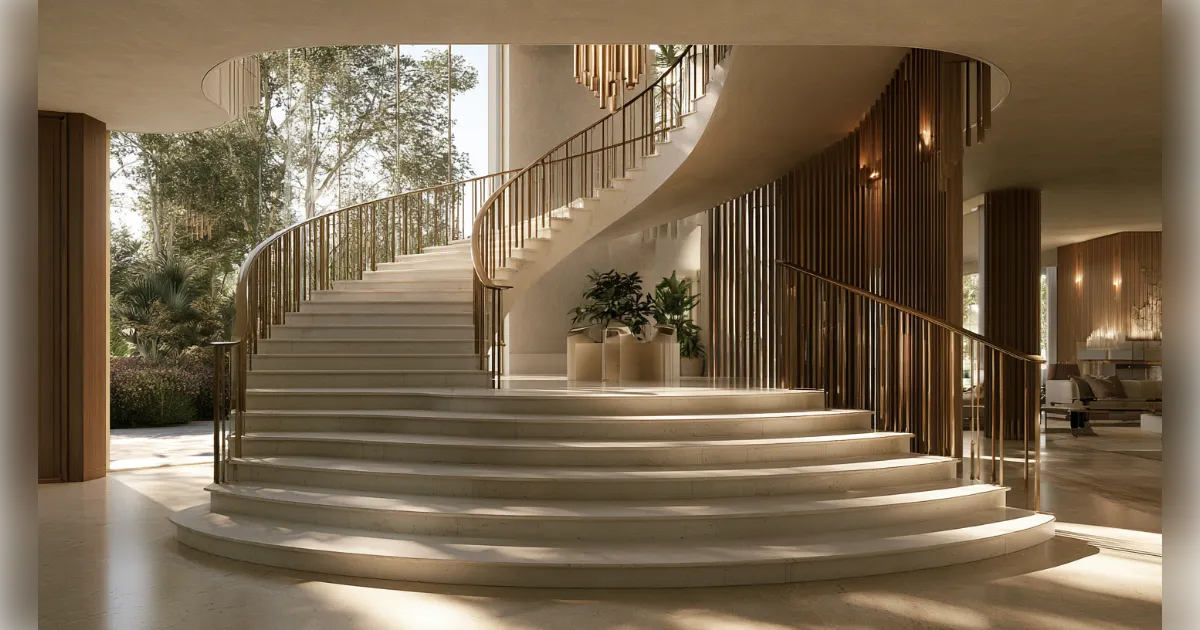
- Wall cladding, stair risers, jaalis, inlay work and handicrafts.
- Heritage-style homes and restoration projects.
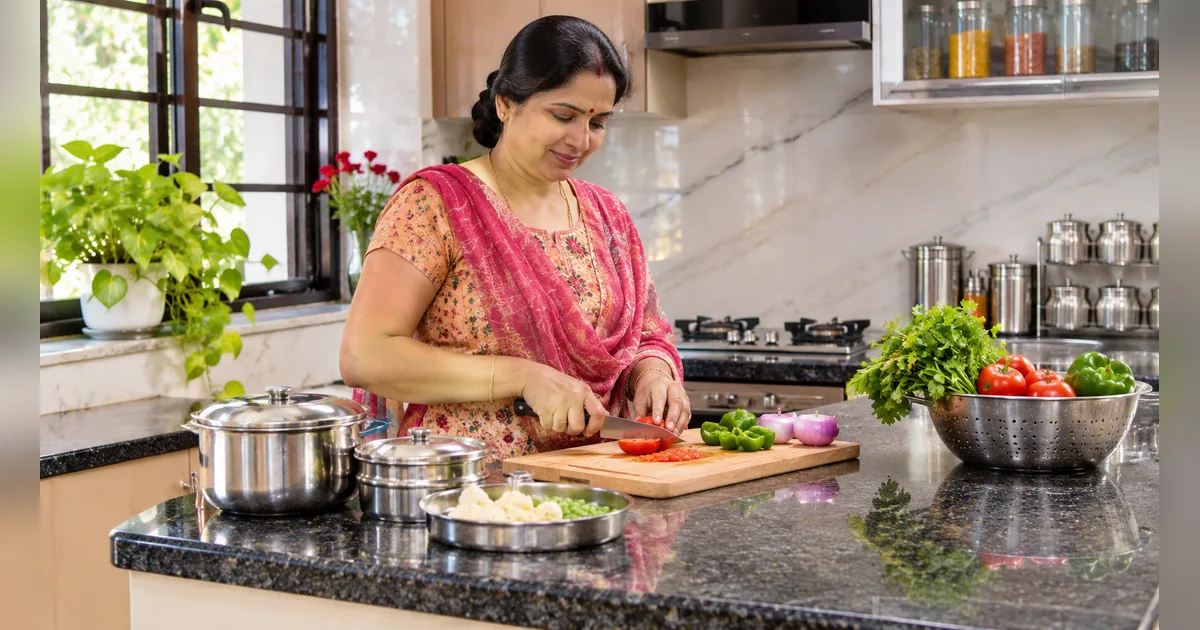
For kitchens and very high-traffic commercial floors, consider granite instead, or plan for regular care. Our granite vs marble flooring guide compares the two in detail.
How to check you are buying genuine Makrana marble
- Buy from suppliers who can tell you the mine area and show the block or lot, not just polished samples.
- Ask for an invoice that names the stone, the variety and the source, and keep it with your project papers.
- Look at the slab against light: Makrana marble typically shows a natural, even translucency at the edges.
- Check consistency across the whole lot, and reject slabs with deep cracks, heavy resin filling or large stains.
- Be careful with prices that look far below the market; very cheap 'Makrana' is often a different white marble.
Our checklist on how to verify a mineral or stone supplier explains the documents and site checks in more detail.
What affects the cost
Makrana marble is usually priced higher than many other white marbles. The final cost depends on the variety, whiteness and uniformity, slab size and thickness, the number of natural defects, the finish and freight. Large, clean slabs from one block command a premium but also give a more seamless finish with less wastage.
Care and maintenance
Being calcitic, Makrana marble reacts to acids. Wipe up lemon juice, vinegar, tea and soft drinks quickly, use pH-neutral cleaners, and avoid harsh chemicals. Regular dry mopping keeps grit from dulling the surface, and professional re-polishing can restore shine when needed.
Transport, installation and project support
White marble shows every chip, so careful handling is essential. Plan packing and loading as described in our guide to transporting marble and granite slabs. Within the ATTPL network, ATTPL Fleet can move bulk stone consignments, and buyers planning a larger build can involve ATTPL Infra for construction work. For ideas on caring for installed stone at home, see the ATTPL Group natural stone guide.
Source Makrana marble with ATTPL
ATTPL Mining & Minerals helps buyers source marble and other natural stone from Rajasthan with clear documentation and careful selection. Explore our stone and minerals range or contact us with your quantity, preferred variety and delivery location.
Frequently asked questions
Where does Makrana marble come from?
It is quarried in and around Makrana town in Rajasthan, one of India's oldest marble-producing areas.
Is Makrana marble suitable for kitchens?
It can be used, but because it reacts to acids and scratches more easily than granite, many buyers prefer granite for kitchen floors and counters.
How do I know the marble is genuine Makrana?
Buy from a supplier who can show the mine area and lot, gives a clear invoice naming the stone and source, and offers slabs you can inspect before dispatch.