What is kaolin?
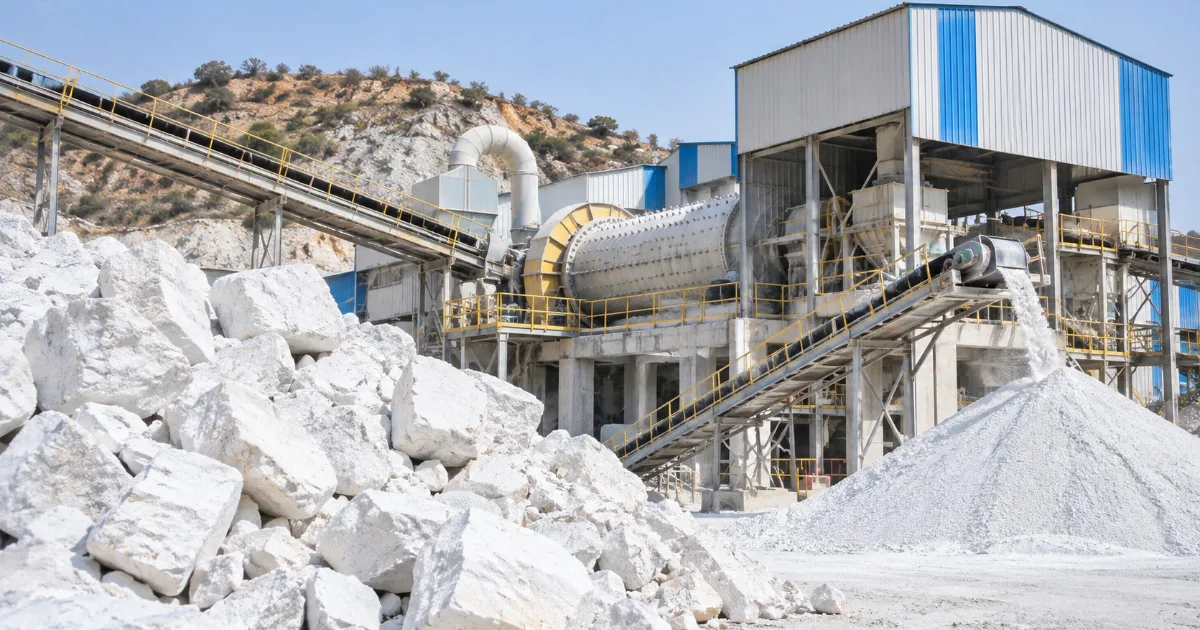
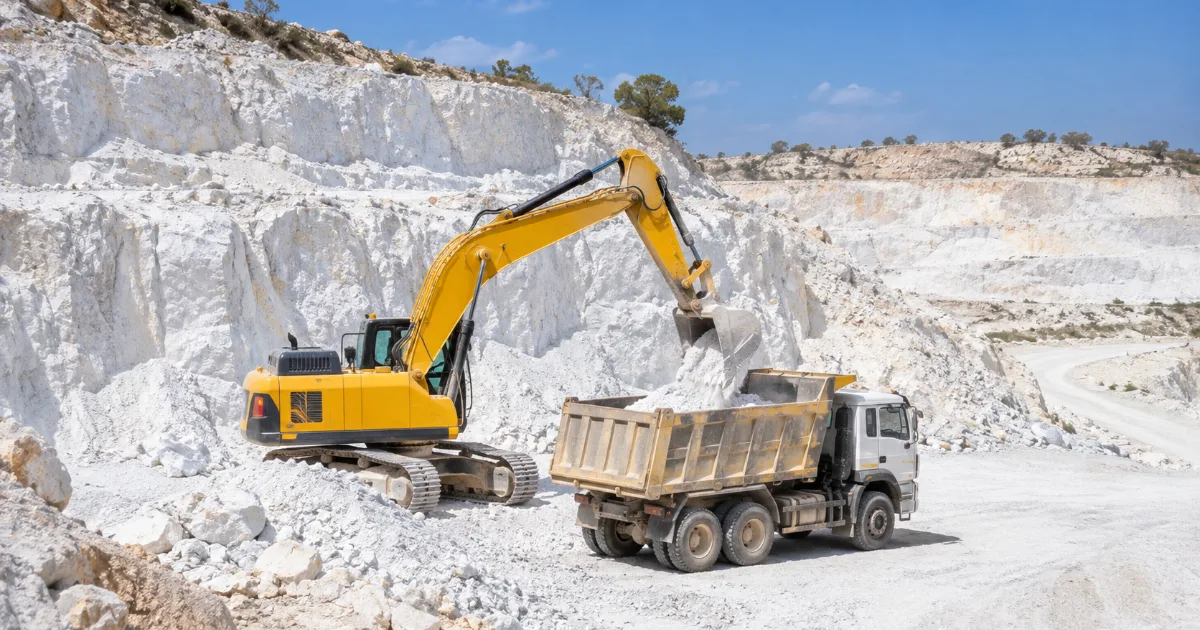
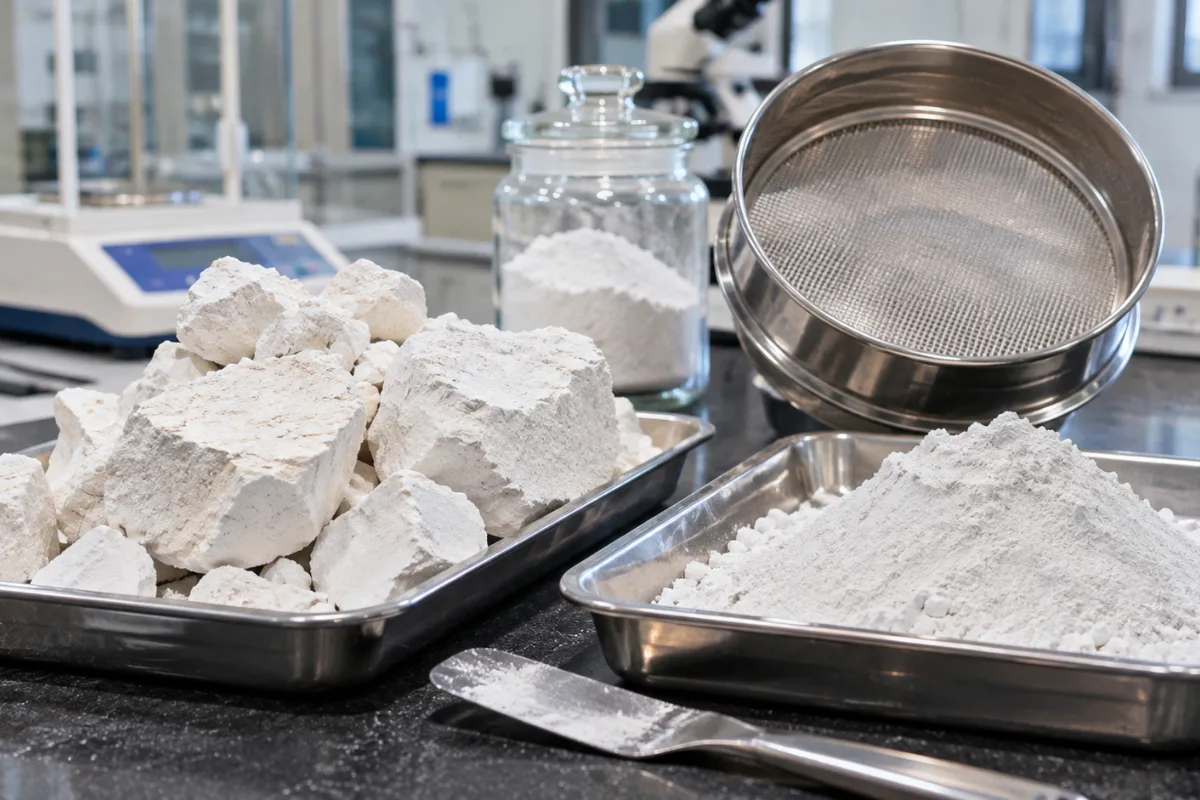
Kaolin, also called china clay, is a soft white clay made mainly of the mineral kaolinite. It is valued for its whiteness, fine particle size, chemical inertness and plasticity. Raw kaolin is mined from open pits and is usually washed, refined and dried to remove sand, mica and iron-bearing impurities. Rajasthan, Gujarat and Kerala are among the Indian states with notable kaolin deposits and processing units.
Where kaolin is used
- Ceramics: sanitaryware, tiles, tableware and electrical porcelain
- Paper: filler and coating for brightness and printability
- Paints and coatings: extender for opacity and suspension
- Rubber and plastics: reinforcing filler
- Others: pharmaceuticals, cosmetics, fibreglass and refractories (specific grades)
Specifications that matter
Ask suppliers for a test certificate covering at least:
- Brightness/whiteness and fired colour (for ceramics)
- Particle size distribution and residue on mesh
- Iron oxide and titanium dioxide content
- Loss on ignition, alumina and silica content
- Moisture and pH
- Plasticity or modulus of rupture where relevant
Different industries need different grades. A paper-coating grade is very different from a sanitaryware grade, so specify your application clearly.
Raw, washed and calcined
Raw (crude) kaolin is the cheapest but variable. Washed kaolin is cleaned to reduce grit and impurities and suits most ceramic and filler uses. Calcined kaolin is heated to high temperature for higher brightness and hardness, used in paints, plastics and cables. Match the processing level to the performance you need rather than buying the highest grade by default.
Buying tips
- Test samples in your own process before placing bulk orders
- Agree specifications, tolerance and testing method in the purchase order
- Ask for lot-wise certificates and keep retained samples
- Check packing (bags or jumbo bags) and moisture protection for monsoon
- Visit the processing plant if the volume is large
Similar principles apply to other minerals; see our bentonite buying guide.
Sourcing support
ATTPL Mining & Minerals helps buyers source industrial minerals and natural stone from Rajasthan with clear specifications and documentation. For export documentation and finance, connect with ATTPL Consultancy and ATTPL HOLDCO.
Frequently asked questions
Is kaolin the same as china clay?
Yes. Kaolin and china clay are two names for the same white clay made mainly of kaolinite.
What is calcined kaolin?
Kaolin heated to high temperature to improve brightness and hardness, used mainly in paints, plastics and cables.
Which tests should a ceramic buyer ask for?
Fired colour, particle size, iron and titanium content, chemical analysis, plasticity and moisture.
Sources and further reading
This article is general information for buyers and industry users. Specifications vary by deposit and processor; always test samples and confirm requirements for your application.