Rajasthan's mineral strength
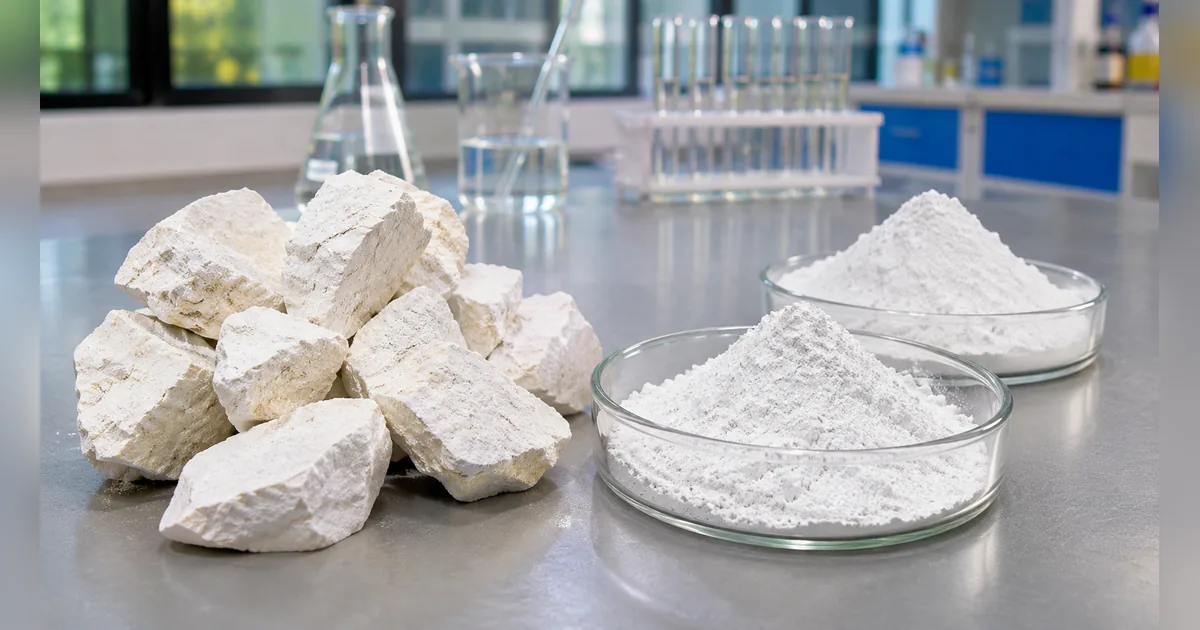
Rajasthan is one of India's richest states in non-fuel minerals. It is a major source of minerals such as limestone, gypsum, feldspar, quartz, calcite, wollastonite, ball clay, soapstone and rock phosphate, used by cement, ceramics, glass, paint, fertiliser and many other industries.
Start with a clear specification
- Chemical composition, for example silica, alumina or calcium content
- Physical properties such as whiteness, moisture and mesh size
- Lump size or powder grade
- Monthly quantity and delivery schedule
Testing and quality control
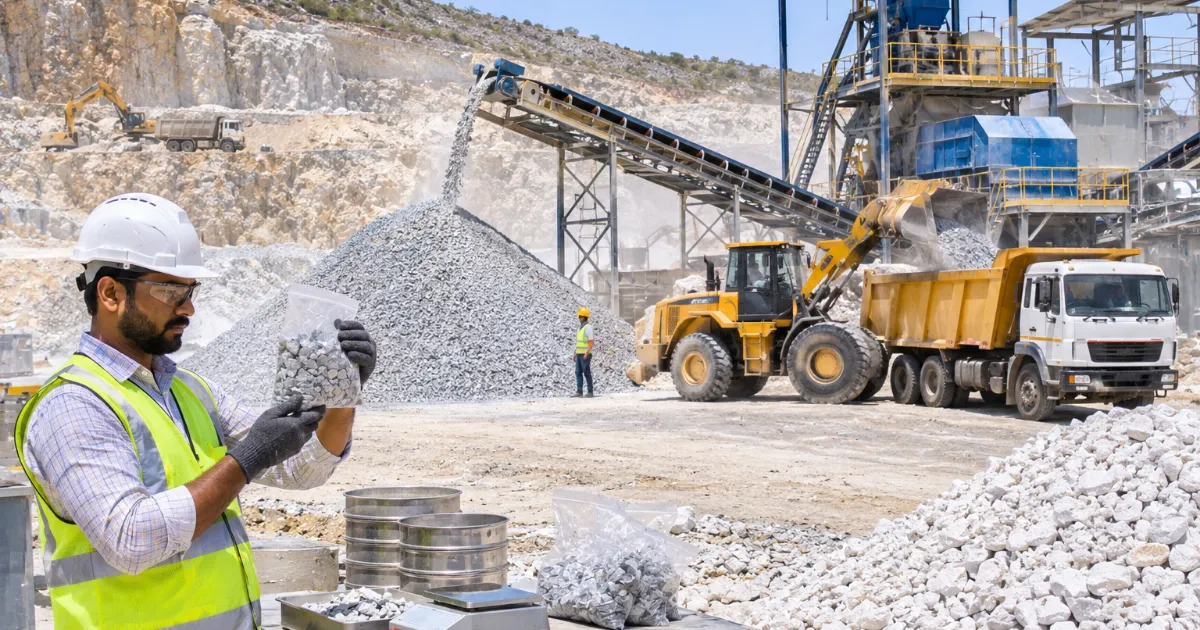
Ask for test certificates for each lot and verify them with samples tested in an independent laboratory, at least at the start. Agree on sampling methods and tolerance limits in the contract.
Documents to check
Minerals moved from mines in Rajasthan need valid transit documents issued through the state mines department system (e-Rawanna), along with GST invoices and e-way bills where applicable. Buying from properly documented sources protects you from legal and supply risks.
Logistics and contracts
Freight can be a large part of landed cost, so plan transport, packaging and storage early. For steady needs, a long-term contract with agreed specifications, pricing method and delivery schedule gives more reliable supply.
Source with ATTPL Mining
See our minerals and industries pages, or contact us with your specification. For transport, see ATTPL Fleet, and for infrastructure projects, ATTPL Infra.
Frequently asked questions
What is e-Rawanna?
It is the electronic transit pass system used in Rajasthan for moving minerals from mines and leases.
Should I test every lot?
Ask for test certificates for every lot and verify with independent testing, especially for new suppliers.
How can I reduce landed cost?
Optimise transport and packaging, buy in planned volumes and use longer-term contracts.