Why Rajasthan marble
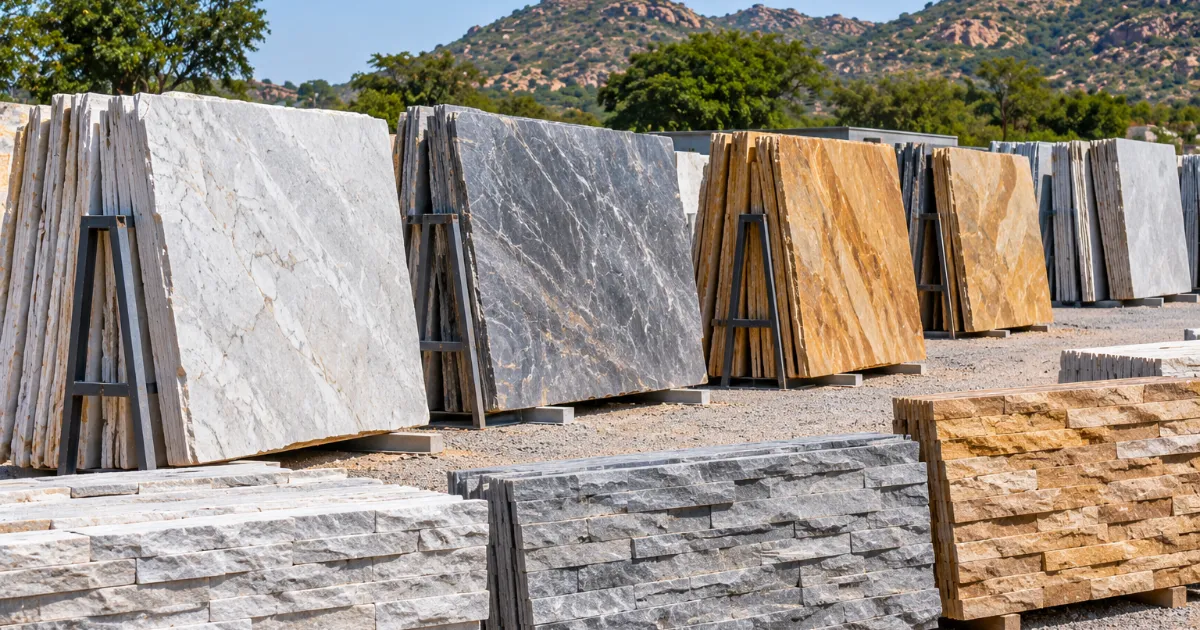
Rajasthan is India's best-known source of marble. Areas around Makrana, Rajsamand, Udaipur and Banswara produce marble in many colours, and Kishangarh is a major trading hub where buyers can see a wide range of slabs in one place.
Popular types
- White marble — including the famous Makrana marble — for premium flooring and interiors
- Green marble from the Udaipur region
- Pink, grey and banded varieties for wall cladding and decorative use
Availability and price vary by quarry, grade and season, so always compare samples.
How to check quality
- Look for cracks, filled cracks and patches, especially on the back of the slab
- Check colour and pattern consistency across the lot
- Test water absorption on a sample — lower is better for floors
- Check thickness and calibration
- Ask about the source quarry
Slabs, tiles and finishes
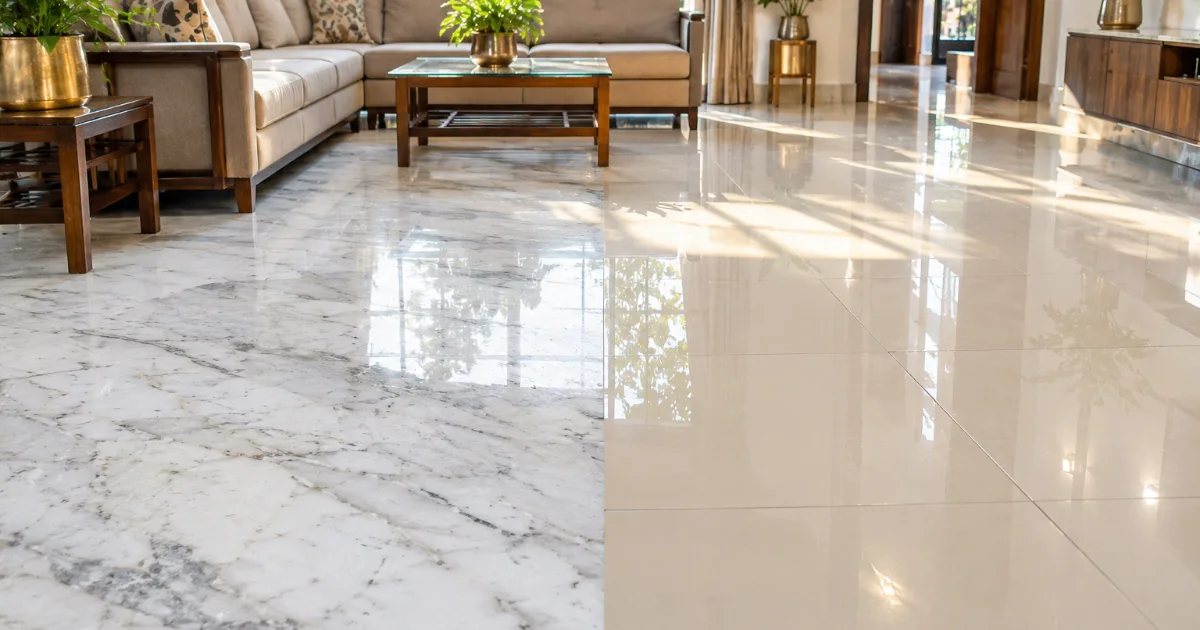
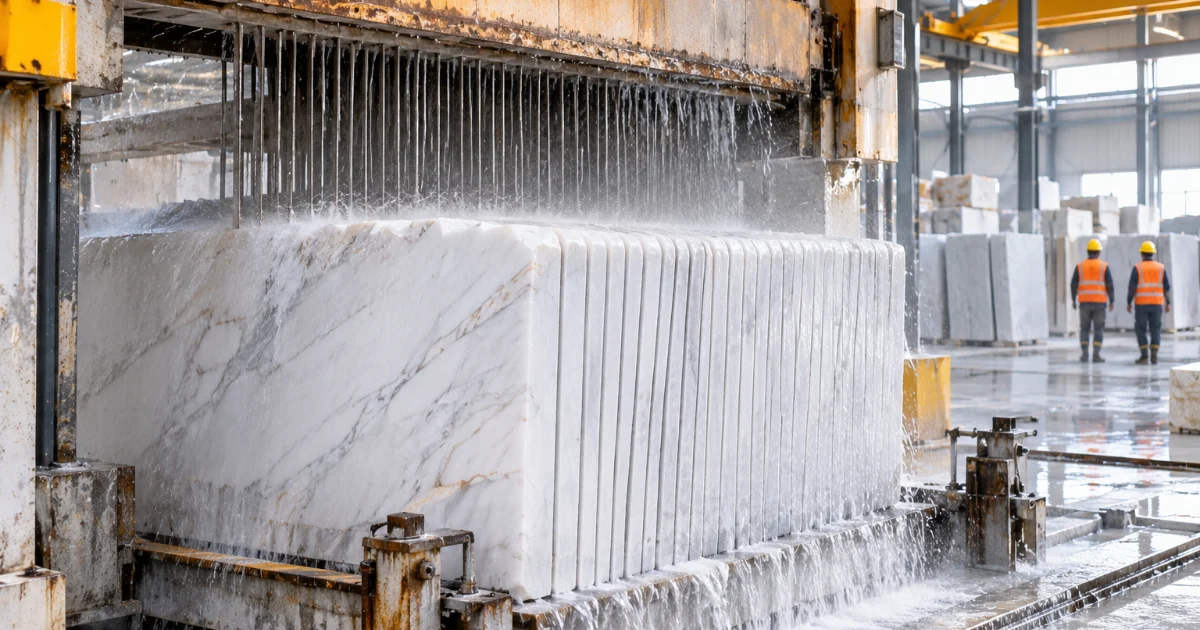
Slabs give fewer joints and a premium look; tiles are easier to handle and install. Choose the finish by use: polished for living areas, honed or leather finish where slip resistance matters.
Lot matching and quantity
Buy the full quantity, plus some extra for cutting and future repairs, from the same lot. Marble from different lots can vary noticeably.
Care after installation
Seal the surface, clean with neutral pH cleaners and avoid acidic products like lemon or vinegar, which etch marble.
Source with ATTPL Mining
Explore our minerals and stone range or contact us. Read the natural stone buying guide by ATTPL Group, and for transport of slabs, see ATTPL Fleet.
Frequently asked questions
How do I check if marble is good quality?
Check for cracks and filled patches, consistent colour, low water absorption and accurate thickness.
Should I buy slabs or tiles?
Slabs give a seamless premium look; tiles are easier and cheaper to handle and install.
How much extra marble should I buy?
Keep a margin for cutting waste and future repairs, and buy everything from the same lot.