Why representative sampling matters
See also: Manganese Ore: Uses, Grades and What Buyers Should Check
See also: Mineral Purchase Contracts: Key Clauses Buyers Should Include
A lab report is only as good as the sample it tests. Many quality disputes between mineral buyers and suppliers start not in the lab, but in the way the sample was taken.
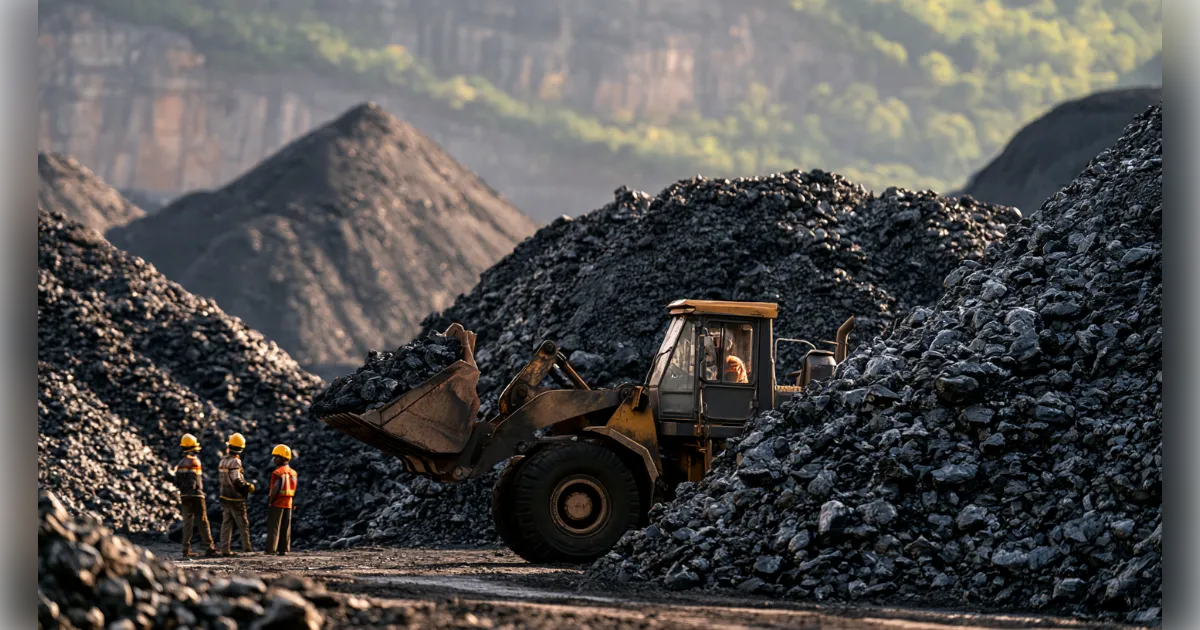
Bulk minerals are rarely uniform. Particle sizes separate during loading and transport, moisture changes, and different parts of a stockpile can differ in composition. A single handful from the top of a truck can mislead. A representative sample reflects the whole lot.
Good sampling practice
- Agree the sampling method, point and frequency in the contract
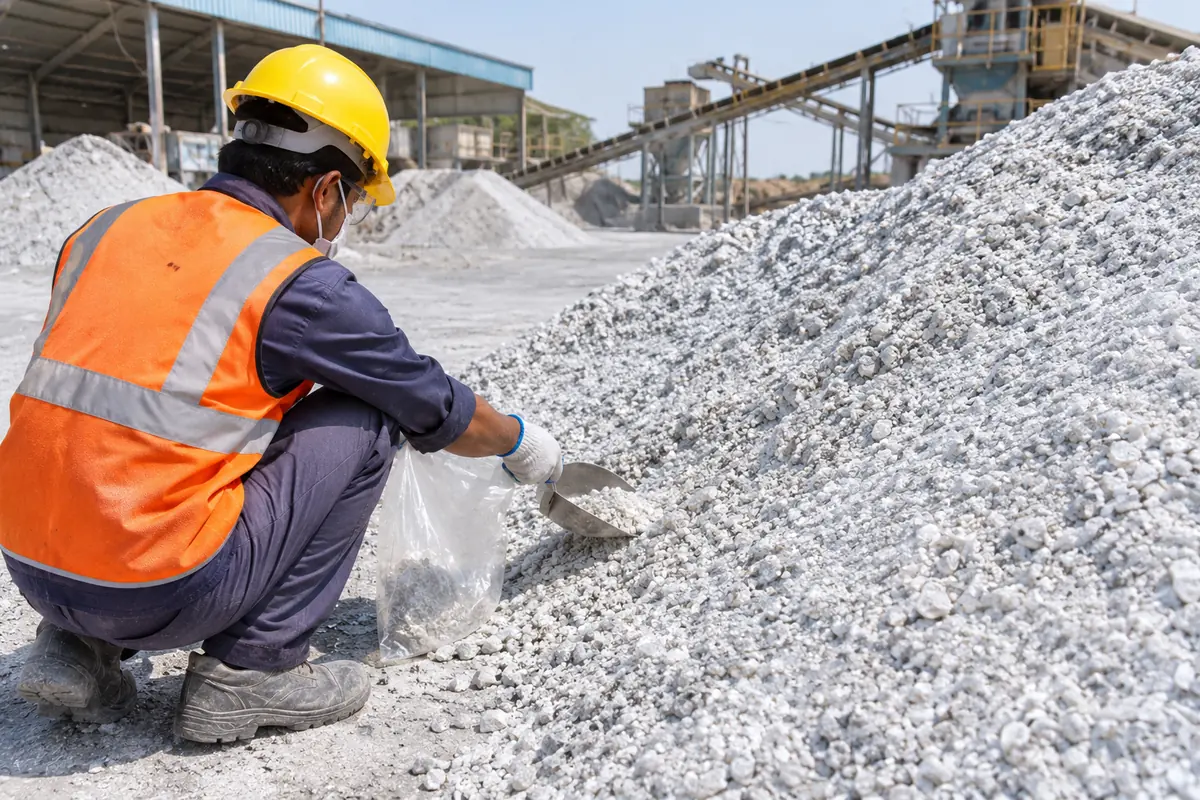
- Take many small increments from different parts of the lot, preferably from a moving stream during loading or unloading
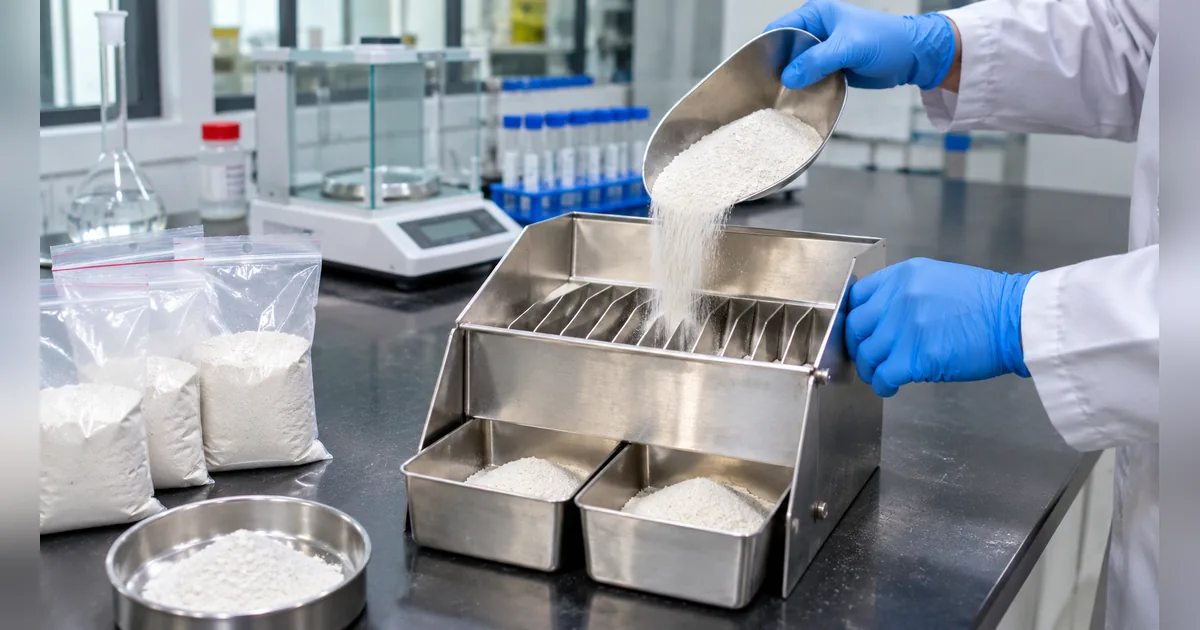
- Mix and reduce the sample by coning and quartering or a riffle splitter
- Seal, label and split the sample into parts for buyer, seller and referee
- Record date, lot number, vehicle number and the people present
Common lab tests
- Chemical composition by XRF or wet chemical analysis
- Moisture and loss on ignition
- Particle size by sieve analysis or laser diffraction
- Brightness and whiteness for fillers
- Physical tests such as water absorption and strength for stone
Each mineral has key parameters; our guides to silica sand and calcite powder list typical ones.
Choosing a laboratory
Prefer laboratories accredited by NABL for the specific tests you need. Ask about test methods, turnaround time and measurement uncertainty. Compare the supplier's certificate of analysis with your own periodic independent tests.
Handling disputes
If results differ, first check whether both parties tested comparable samples using the same methods. Contracts should name a referee laboratory and state that its result is final, along with tolerances and price adjustments for deviations. Keep retained samples for an agreed period.
Support
ATTPL Mining & Minerals supports buyers with sampling and documentation. Contract terms for quality and disputes can be reviewed with ATTPL Legal, and quality systems are supported by ATTPL Consultancy.
Frequently asked questions
Why split a sample into three parts?
One each for buyer and seller, and one sealed sample for a referee laboratory if results differ.
What is XRF analysis?
X-ray fluorescence is a common method for measuring the chemical composition of minerals quickly and accurately.
How long should retained samples be kept?
For a period agreed in the contract, long enough to resolve any quality claims.
Sources and further reading
This article is general information for buyers and industry users. Specifications vary by deposit and processor; always test samples and confirm requirements for your application.